Market news· 3 min read
Miami Data Centers: Florida’s Limits and New Investments
Florida is limiting large data centers while Miami prepares multimillion-dollar projects. The investments, jobs and real estate impact of AI.
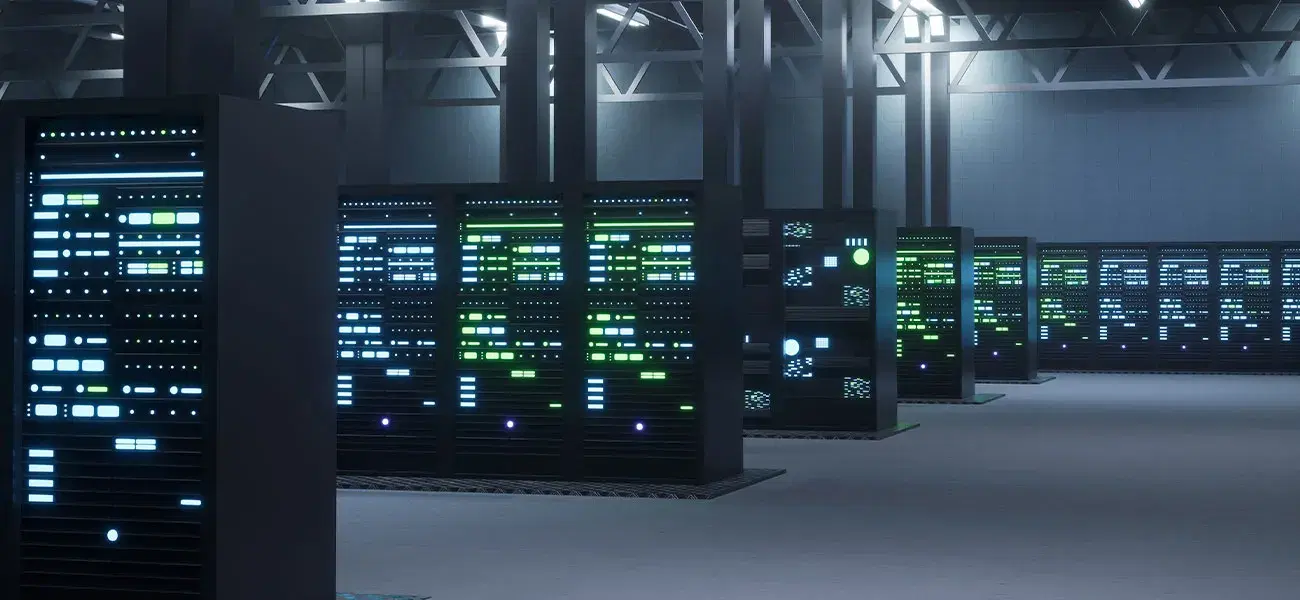
The race for artificial intelligence is not only transforming technology; it is also starting to reshape the real estate market. In this context, demand for Miami data centers, and for data centers across Florida, is sparking a crucial debate between economic growth and the capacity of local infrastructure.
AI growth requires enormous computing capacity and, behind it, buildings able to house thousands of servers. These facilities can represent investments of hundreds of millions or even billions of dollars, but they also need large amounts of electricity and water.
Florida wants to attract that investment, but some communities are starting to ask how much growth they are willing to accept.
Florida rejects a huge data center in Palm Beach County
One of the clearest examples of this tension happened recently in Palm Beach County.
Commissioners voted 5-1 to reject a rezoning request tied to Project Tango, a proposal that included roughly 1 million square feet of data center space, plus 2.3 million square feet of warehouses and 216,000 square feet for utilities.
The decision came after a public hearing that lasted about 12 hours.
The case matters for Florida data centers because it reflects a recurring discussion: economic value versus the effects on the power grid, the water supply, infrastructure, noise and quality of life in nearby communities.
What is happening with data centers in Miami?
Despite the regional challenges, Miami-Dade wants to establish itself as a key hub for technology infrastructure. One of the most interesting projects among Miami AI data centers is Project Apollo, planned for an unincorporated area in District 12.
The figures in the county’s official documents are significant:
- Capital investment: $150 million.
- Size: a 75,000-square-foot building.
- Power capacity: approximately 15 megawatts (MW).
- Timeline: construction expected to start between fiscal years 2026 and 2027.
There is another key economic angle: jobs. The project committed to creating 27 permanent direct jobs with an average annual salary of $80,000. Including employees of future tenants, the number could reach 54 people.
That is a defining trait of this type of property: it requires large amounts of capital without creating a proportionally large number of permanent jobs on site.
$150 million in investment: what would Miami-Dade get?
The economic impact goes beyond direct jobs. Miami-Dade estimates that Project Apollo could generate about $5.93 million in property taxes over ten years.
At the same time, the project qualified for up to $3.63 million in incentives from the Targeted Jobs Incentive Fund, subject to meeting its investment and employment goals. That would leave the county with a positive net fiscal impact of about $2.3 million.
Florida changes the rules for large electricity users
Since July 1, 2026, the state has new regulations for facilities with high energy demand. The law defines a “large load customer” as any facility with an expected peak demand of 50 MW or more at a single location.
Under these rules, the Public Service Commission requires special rates so that these large users pay the full cost of their supply, keeping incremental risks and costs from being passed on to residential customers.
The distinction matters for projects in the region: at a projected 15 MW, Project Apollo is not a hyperscale center and does not reach the 50 MW threshold.
Water use rules
State rules also address the water footprint. For facilities of 50 MW or more, Florida created specific requirements in water use permits, in many cases requiring reclaimed water for cooling systems.
The impact of AI on Miami real estate
For real estate investors and developers, the growth of Miami data centers is redefining how land is valued:
- Power access over traditional logistics: industrial land that used to be judged mainly by highway access is now valued above all for its electrical and fiber-optic capacity.
- Competition for land: data centers compete directly with storage, manufacturing and logistics projects in a market like Miami-Dade, where available land is extremely scarce and expensive.
Conclusion: the future of technology infrastructure in Miami
Attracting large technology investment does not guarantee automatic approval. The conversation around Miami data centers now centers on where they should go, what infrastructure they should pay for and how to balance the growth of artificial intelligence with the sustainability of local resources.
Have a question about this?
Alejandro can tell you what it means for your purchase, sale or investment.
Ask Alejandro on WhatsApp