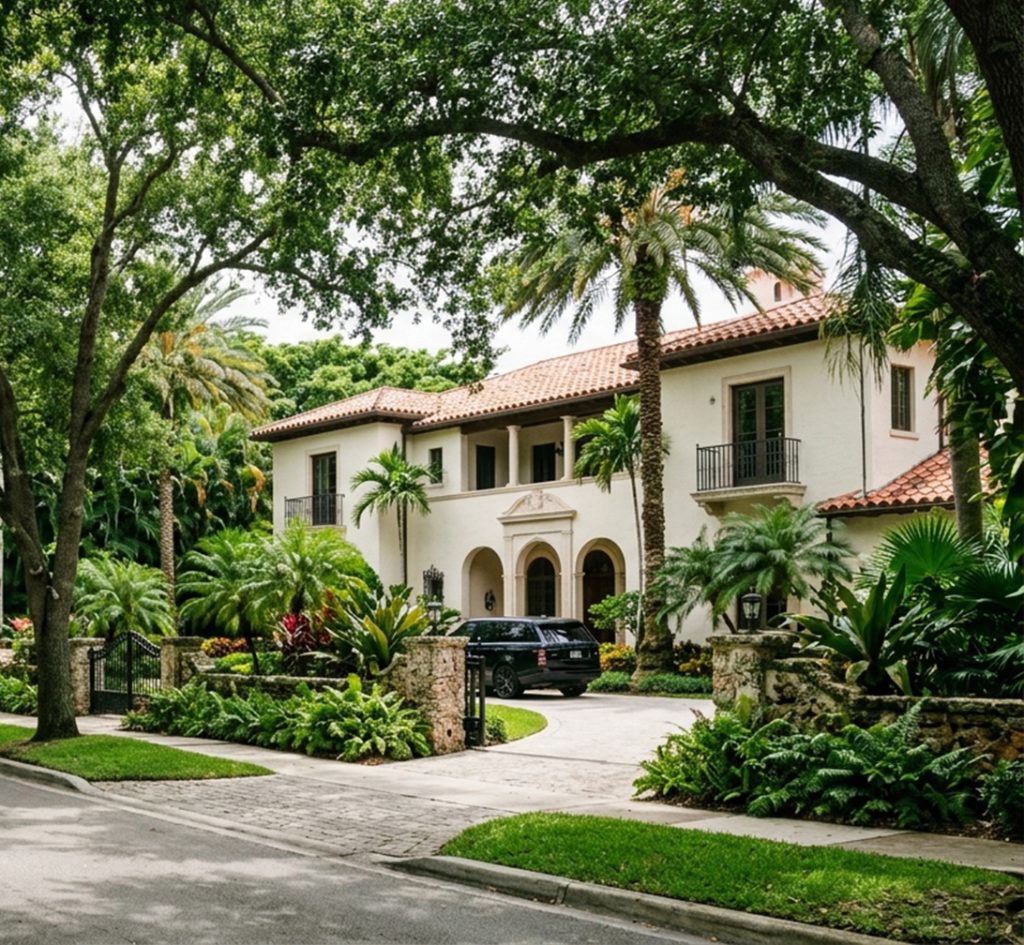
Navigating the Florida Real Estate market requires shifting from looking at generalized headlines to analyzing hard, data-driven reality. Whether you are a domestic buyer looking for a primary residence or an international investor seeking high-yield cash flow, Florida remains one of the most dynamic property markets in the world.
However, the days of buying blindly and expecting automatic double-digit appreciation are over. Success today demands strategy, localized hyper-awareness, and a clear understanding of macroeconomic shifts.
The Current State of Florida Real Estate
The Sunshine State’s property market is currently undergoing a healthy stabilization. After the unprecedented demand shocks of previous years, inventory levels are returning to balanced numbers. This shifting environment creates a massive window of opportunity for calculated buyers.
Population growth continues to be the primary engine behind Florida Real Estate. Millions of corporate professionals, remote workers, and retirees relocate here annually, driven by tax advantages, a robust job market, and lifestyle appeal. This constant influx ensures that housing demand—both for purchase and long-term rentals—remains structurally sound.
Top Micro-Markets Driving High ROI
When analyzing Florida Real Estate, you cannot view the state as a single entity. The market is a collection of distinct micro-markets, each behaving differently.
1. The Miami Metropolitan Area: Premium Capital Growth
Miami continues to solidify its status as a global financial and tech hub. The luxury residential tier and pre-construction sectors here operate on global demand, making it an incredible vehicle for capital preservation and long-term equity growth.
2. Southwest Florida (Naples & Fort Myers): The Lifestyle Premium
Characterized by steady demographic demand from affluent buyers, this region offers resilient property values and a highly active seasonal rental market.
3. Central Florida (Orlando Metro): The Short-Term Rental Powerhouse
For investors prioritizing raw rental yield and consistent occupancy, the areas surrounding major entertainment hubs provide a highly mature framework for short-term vacation rentals (STRs).
The Full-Stack Strategy: Managing Inventory and Interest Rates
Winning in Florida Real Estate right now comes down to two critical factors: finding off-market opportunities and structuring smart financing.
Investor Note: Relying solely on public MLS platforms means you are competing with the entire world. True real estate alpha is found by tapping into off-market networks, builder relationships, and pre-construction allocations before they hit the open market.
Furthermore, analyzing the numbers under current interest rate environments means your acquisition price and projected operational costs must be perfectly optimized. This is where data-backed valuation comes into play. Buying right is the only way to guarantee a healthy net operating income (NOI).
Short-Term Rentals vs. Long-Term Assets
A common dilemma when entering the Florida Real Estate ecosystem is deciding between single-family long-term rentals and short-term hospitality assets (like Airbnb).
-
Long-Term Rentals: Offer lower operational friction, steady tenant retention, and highly predictable cash flow. Ideal for hands-off wealth accumulation.
-
Short-Term Rentals (STRs): Yield significantly higher gross revenues but require expert management, strict compliance with local city ordinances, and optimized marketing to maintain Superhost-level occupancy rates.
Final Thoughts for Savvy Buyers
The long-term outlook for Florida Real Estate remains exceptionally bullish. The combination of pro-business policies, steady demographic migration, and finite geographic space in prime coastal areas ensures that real estate here isn’t just a purchase—it is a foundational wealth-building asset.
If you want to maximize your returns, stop looking at properties as simple structures and start analyzing them as financial portfolios.